
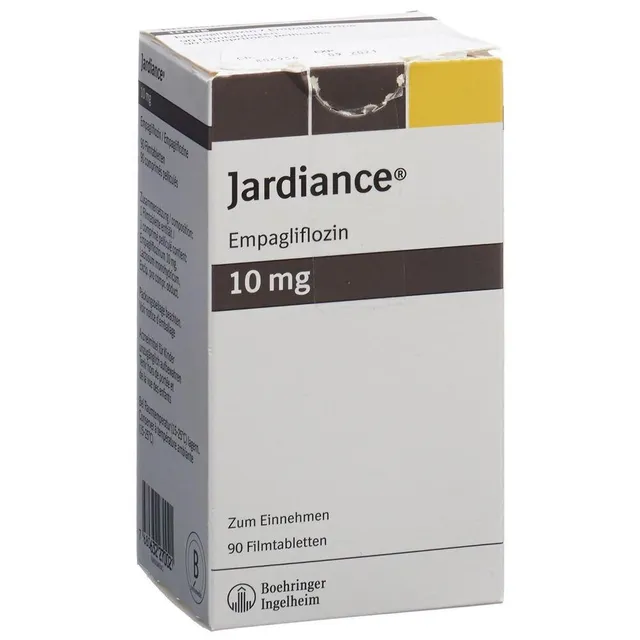
A Simple Introduction to Jardiance
Jardiance is a prescription medicine whose active ingredient is empagliflozin. It belongs to a medicine group called SGLT2 inhibitors. The medicine is widely used in the treatment of type 2 diabetes and also has established uses for certain adults with heart failure and chronic kidney disease.
The easiest way to understand its main action is to think about how the kidneys handle sugar. Blood passes through the kidneys, where glucose is filtered. Normally, much of that glucose is taken back into the blood. Empagliflozin reduces this process, allowing more glucose to leave the body in urine.
Because the medicine changes how the kidneys handle glucose and water, it can have effects beyond blood sugar. These effects help explain why empagliflozin has become an important medicine in cardiovascular and kidney care.
Jardiance is not suitable for everyone, and it should only be used when prescribed by an appropriate healthcare professional. Reading general information can help patients understand their treatment, but it cannot replace individualized medical advice.
What Jardiance Does for Type 2 Diabetes
Type 2 diabetes causes blood glucose to remain higher than it should. Long-term high blood sugar can contribute to problems affecting the heart, kidneys, eyes, nerves, and blood vessels. Managing glucose is therefore an important part of reducing the risk of diabetes-related complications.
Jardiance lowers blood glucose by increasing the amount of glucose removed through urine. It does not work by forcing the pancreas to release more insulin. This makes its mechanism different from several other diabetes medicines.
It may be prescribed with lifestyle measures such as an appropriate diet and regular physical activity. It can also be combined with other medicines when one treatment is not sufficient.
One important point is that a person may not feel different after starting Jardiance. Diabetes can exist without obvious symptoms, and improvement in glucose control does not always produce a noticeable physical sensation. This does not necessarily mean the medicine is ineffective.
Patients should continue monitoring their condition according to their healthcare team's instructions rather than judging treatment only by how they feel.
Heart and Kidney Benefits
Jardiance has become particularly important because empagliflozin can provide benefits involving the heart and kidneys in appropriate patients.
For certain adults with heart failure, empagliflozin can reduce the risk of cardiovascular death and hospitalization. It can also help improve symptoms such as breathlessness, tiredness, or swelling in some patients.
For suitable people with chronic kidney disease, empagliflozin can help slow the progression of kidney problems. This is important because kidney disease can gradually become more serious without producing obvious symptoms during its early stages.
The cardiovascular and kidney effects are not simply the same as the glucose-lowering effect. Researchers have identified several physiological effects associated with SGLT2 inhibition, including changes in glucose and sodium handling and fluid balance.
Nevertheless, people should not assume that Jardiance is appropriate simply because they have a heart or kidney condition. The decision depends on the specific diagnosis and the patient's overall medical situation.
How to Take Jardiance
The dose should always be determined by the prescribing healthcare professional. A common dose for empagliflozin is 10 mg once daily. For some patients with type 2 diabetes, the dose may be increased to 25 mg once daily. For heart failure or chronic kidney disease, 10 mg once daily is commonly used.
Jardiance can generally be taken with or without food. Taking the tablet at the same time each day can make it easier to remember.
If a dose is forgotten, patients should follow the instructions provided with their particular medicine. Taking an extra tablet to compensate for a missed dose is generally not recommended.
Patients should also avoid changing the dose without professional advice. If the medicine appears to be causing problems, the correct approach is to contact the doctor or pharmacist rather than stopping treatment independently.
Long-term treatment is common for diabetes, heart failure, and chronic kidney disease. The duration depends on the individual's condition and response to treatment.
Common Side Effects to Know About
Jardiance can cause side effects, although many people do not experience serious problems.
One common effect is increased urination. Since the medicine causes more glucose to leave the body through urine, changes in urination are understandable. However, increased fluid loss can sometimes contribute to dehydration.
Genital yeast infections may occur because urine contains more glucose. Urinary tract infections are another possible problem. Burning during urination, persistent urinary discomfort, fever, or other concerning symptoms should be discussed with a healthcare professional.
Some people experience mild skin irritation or itching. These symptoms may be manageable, but persistent or worsening symptoms should be assessed.
Low blood sugar is more likely when Jardiance is combined with certain other diabetes medicines, particularly insulin or sulfonylureas. Symptoms can include shaking, sweating, hunger, confusion, or difficulty concentrating.
Serious Symptoms That Need Attention
Knowing the warning signs of serious complications is an important part of safe medicine use.
Diabetic ketoacidosis, often shortened to DKA, is one of the most important serious risks associated with SGLT2 inhibitors. Symptoms can include nausea, vomiting, abdominal pain, unusual tiredness, confusion, excessive thirst, and deep or rapid breathing. Importantly, DKA can sometimes happen without extremely high blood glucose levels.
Anyone taking Jardiance who develops symptoms suggestive of ketoacidosis should seek urgent medical care.
Severe dehydration is another concern. Significant dizziness, weakness, very dark urine, dry mouth, or markedly reduced urination can indicate that the body does not have enough fluid. Medical advice should be sought when symptoms are severe or persistent.
Severe urinary or genital infections also need prompt attention. A rare but dangerous infection involving tissue around the genitals and perineum can cause severe pain, swelling, redness, fever, and feeling very unwell. These symptoms require emergency assessment.
A serious allergic reaction can cause swelling of the face, lips, mouth, or throat and difficulty breathing. This is an emergency and requires immediate medical attention.
When Jardiance May Not Be Suitable
Some health conditions require special consideration before starting empagliflozin. Patients should tell their healthcare professional if they have kidney disease, liver problems, low blood pressure, recurrent urinary tract infections, or a history of medicine allergies.
Jardiance is not a treatment for type 1 diabetes. The FDA-approved information warns about the risk of ketoacidosis and specifies its limitations of use.
Pregnancy and breastfeeding also require careful medical review. Empagliflozin is generally not recommended during pregnancy because there is insufficient information about its effects on the developing baby. People who are pregnant, planning pregnancy, or breastfeeding should speak with their healthcare professional about appropriate treatment.
Surgery and serious illness are also important considerations. Fasting, illness, and surgery can increase the risk of ketoacidosis, so the medical team may recommend temporarily stopping the medicine. Patients should follow individualized instructions rather than making this decision themselves.
Jardiance With Other Medicines
Many patients use Jardiance together with other prescription medicines. This can be appropriate, but combinations need to be reviewed by a healthcare professional.
Insulin and sulfonylureas can increase the risk of low blood glucose when used with empagliflozin. Diuretics can increase fluid loss and may contribute to dehydration or low blood pressure. Some blood-pressure medicines may also require monitoring.
Patients should tell their doctor or pharmacist about every medicine they take, including over-the-counter products, vitamins, and herbal supplements. Some supplements may affect blood glucose, and there is limited information about the safety of combining many herbal products with empagliflozin.
A complete medication review can help prevent avoidable problems and allows the healthcare team to adjust treatment when necessary.
Simple Tips for Using Jardiance Safely
Safe treatment starts with following the prescribed instructions. Patients should take the medicine consistently, attend recommended medical appointments, and discuss any unusual symptoms with their healthcare professional.
Staying aware of hydration is also important because increased urination can contribute to fluid loss. During vomiting, diarrhea, prolonged fasting, or serious illness, patients should contact their healthcare team for specific advice.
It is equally important to understand that online information varies greatly in quality. A website such as europeresearchchem.com should not replace official medicine information or advice from a licensed doctor or pharmacist. Prescription medicines should be obtained through legitimate healthcare and pharmacy channels.
Jardiance may offer important benefits for appropriate patients, including blood glucose management and reduced risks associated with certain heart failure and kidney conditions. However, its benefits depend on correct patient selection and proper use.
The safest approach is to understand why the medicine has been prescribed, take it exactly as directed, know the potential warning signs, and communicate with healthcare professionals whenever circumstances change. Empagliflozin can be an effective part of a broader treatment plan, but it works best when combined with appropriate medical supervision and ongoing management of the underlying condition.