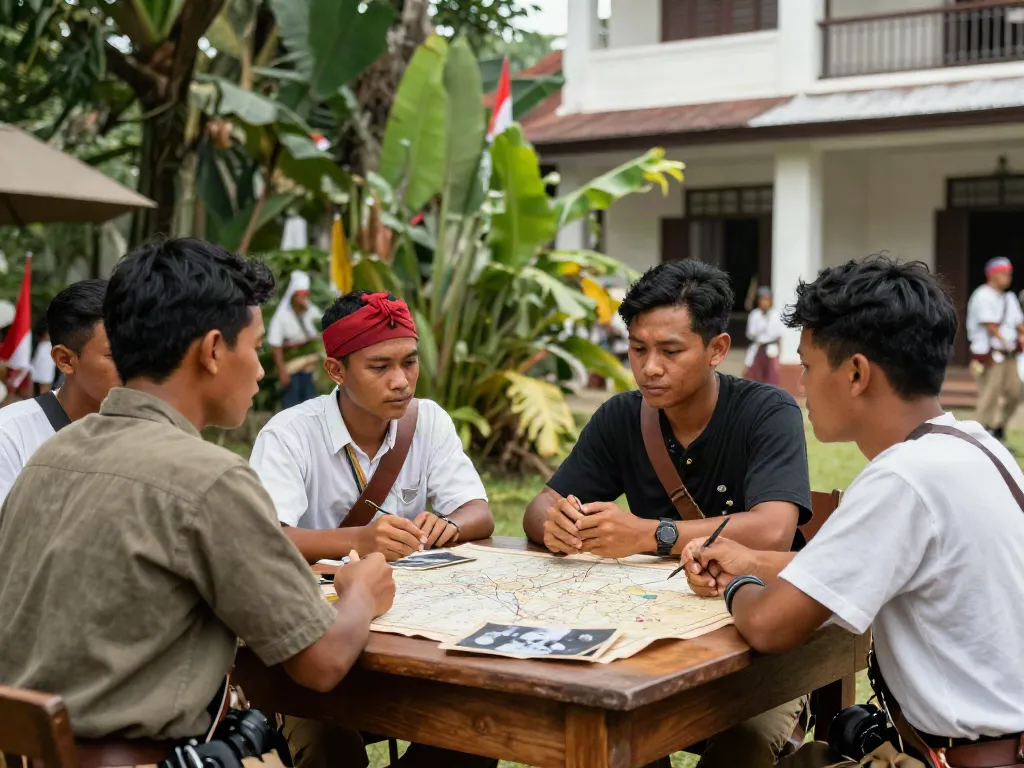
Understanding the Colonial Background of the Dutch-Indonesian Conflict
The complex history between Indonesia and the Netherlands dates back to the early 17th century when Dutch colonial forces began to exert their influence over the Indonesian archipelago. The impact of Dutch colonialism permeated various aspects of Indonesian life, shaping the socio-economic landscape and laying the groundwork for future conflicts. Understanding this background is critical in grasping the nature of the struggles that led to Indonesia's quest for independence. For those interested in exploring this dynamic history more deeply, rokok88 offers extensive insights.
Overview of Dutch Colonialism in Indonesia
The Dutch East India Company (VOC) was established in 1602, marking the beginning of systematic colonization. Initially focused on trade, the VOC quickly transformed into a governing entity, managing territories and imposing a mercantile system that prioritized Dutch economic interests over local welfare. Major islands such as Java, Sumatra, and Bali were brought under Dutch control, with agricultural products like sugar and coffee being exploited for export. This exploitation created a foundation for resentment, laying the groundwork for future rebellions.
Socioeconomic Impact on Indonesian Society
Colonial policies disrupted traditional social structures. The introduction of the Cultivation System in the 19th century forced Indonesian farmers to dedicate a portion of their land to cash crops for the Dutch, severely impacting local diets and economies. This shift led to widespread poverty and hardship, intensified by forced labor and oppressive taxation, further fueling anti-colonial sentiments.
Key Events Leading to the Conflict
The late 19th and early 20th centuries witnessed a surge in nationalist movements across Indonesia, spurred by the harsh realities of colonial rule and the spread of Western ideals. Events such as the establishment of the Budi Utomo in 1908 and the Sarekat Islam in 1911 marked the emergence of a political consciousness among Indonesians. These movements began to demand self-determination, creating a clash of interests that would culminate in open conflict.
The Major Battles of the Dutch-Indonesian War
The Indonesian National Revolution, which spanned from 1945 to 1949, was marked by several significant battles that highlighted the resilience of the Indonesian spirit. Key locations of conflict included Surabaya, Bandung, and Jakarta, where guerilla tactics clashed with conventional military operations employed by the Dutch.
Key Locations of Conflict
Surabaya, often considered the heartbeat of the revolution, witnessed one of the deadliest conflicts on November 10, 1945, known as the Battle of Surabaya. This battle not only demonstrated the fierce resistance by Indonesian fighters but also showcased the international implications, as it attracted attention from various global powers.
Strategies Employed by Both Sides
Indonesian forces adopted guerilla warfare, leveraging their knowledge of the terrain and popular support to counter the better-equipped Dutch military. This asymmetric warfare strategy resulted in significant casualties on both sides but ultimately instilled a sense of national identity and unity among the Indonesian populace.
Impact on Local Populations
The war's toll on civilian life was devastating. Displacement, economic hardship, and loss of life led to a humanitarian crisis. The impact was seen not only in physical destruction but also in the psychological scars left on communities, shaping the national narrative for generations.
Important Figures in the Dutch-Indonesian Conflict
Individuals played pivotal roles during this struggle, influencing both the course of the conflict and the future of Indonesia.
Profiles of Key Leaders
Figures like Sukarno and Mohammad Hatta emerged as central leaders in the independence movement. Sukarno, a charismatic orator, was instrumental in mobilizing the masses, delivering passionate speeches that encapsulated the Indonesian aspiration for sovereignty. Hatta, on the other hand, was a strategic thinker and economist, providing the intellectual foundation for the new nation.
The Role of Local Heroes
Alongside these leaders, countless local heroes, such as Jenderal Sudirman, emerged, embodying the spirit of resistance. Their stories of bravery and tactical ingenuity have become integral to Indonesian folklore, serving as inspiration for future generations.
Global Influences on the Conflict Outcomes
The global political landscape also played a significant role in the conflict. Post-World War II, decolonization movements were gaining momentum worldwide. International pressure on the Dutch government, especially from the United States and emerging nations, facilitated negotiations that ultimately led to Indonesia's recognition as a sovereign state.
Lessons Learned from the Dutch-Indonesian War
The Dutch-Indonesian conflict is rich with lessons regarding conflict resolution and the dynamics of colonialism. Understanding these lessons is crucial for contemporary society and the ongoing discourse about independence, self-determination, and reconciliation.
Conflict Resolution and Peacebuilding Strategies
Successful peacebuilding relies on inclusive dialogue and mutual respect. The negotiations leading to Indonesian independence highlight the importance of recognizing the voices of all stakeholders, including marginalized communities. This inclusive approach is vital for addressing historical grievances and fostering national unity.
Contemporary Relevance of Historical Lessons
Today, the Indonesian experience remains relevant, serving as a case study for other nations grappling with colonial legacies and seeking to establish their identities. It emphasizes the necessity for nations to engage critically with their past to foster healing and progress.
Educating Future Generations
Educating youth about the complexities of their history is essential. Schools should incorporate comprehensive curricula that reflect multiple perspectives, encouraging critical thinking and dialogue about national identity, historical injustices, and pathways to reconciliation.
The Path to Indonesia's Sovereignty
The journey towards Indonesia’s independence was not merely a matter of military victory; it was also characterized by strategic negotiations and international advocacy, which played pivotal roles in solidifying its status as a sovereign nation.
Negotiations and International Support
After an exhausting war, formal negotiations began in 1949. The Renville Agreement and subsequent Round Table Conference were critical in legitimizing Indonesia's independence. The role of international organizations and countries advocating for decolonization significantly contributed to shifting the international perception of Indonesia's struggle.
Roadmap to Independence
The acknowledgment of Indonesian sovereignty came in stages, whereby the Dutch gradually relinquished control, culminating in the official transfer of sovereignty on December 27, 1949. This moment was a testament to the resilience of the Indonesian spirit and the effectiveness of diplomatic engagement.
Modern Reflections on Historical Events
As Indonesia moves forward, reflecting on its colonial past is essential. The interplay of struggle, resilience, and eventual triumph is integral to understanding contemporary challenges and aspirations within Indonesian society.
In conclusion, the struggle for independence has shaped Indonesia's identity. By studying the past, current and future generations can appreciate the value of freedom and the ongoing journey toward national unity and development.